
I’ve always found the ballet skirt to be one of those garments that strikes the perfect balance between whimsy and sophistication. It’s soft, fluid, and moves with you in the most graceful way—like a cloud you can wear. But let’s be honest, styling something so ethereal can feel intimidating. It’s not just about pairing it with a simple top; there’s an art to making it feel modern, polished, and entirely you. Over the years, I’ve experimented with countless looks—some successful, others… not so much—and I’ve learned that the key lies in understanding the fabric, silhouette, and the vibe you’re trying to create. Whether you’re heading to a garden party or just want to elevate your everyday outfit, a ballet skirt can be your secret weapon for effortless style.

Understanding the Ballet Skirt Silhouette
A ballet skirt is typically characterised by its high waist and full, flowing silhouette, often made from lightweight fabrics like tulle, chiffon, or soft cotton blends. This design is inspired by classical ballet costumes, so it naturally evokes movement and elegance. But that doesn’t mean it’s limited to dance studios or themed events. In fact, I’ve found that its gentle volume can add a touch of romance to almost any outfit. The key is to play with proportions—pairing a fuller skirt with a fitted or structured top helps create balance and prevents the look from becoming too overwhelming. When choosing your skirt, consider the length: knee-length is universally flattering, while a midi or maxi version adds drama and works beautifully for evening wear. I always check the fabric’s weight—too much tulle can look frilly, while a slightly heavier cotton version offers a more wearable, modern twist.
Choosing the Right Fabric for Your Lifestyle
The fabric of your ballet skirt makes all the difference in how it drapes, moves, and feels. If you’re someone who loves to move freely—whether you’re commuting, running errands, or dancing at a wedding—opt for a breathable cotton blend or a lightweight jersey. These fabrics are more forgiving, less prone to static, and easier to care for. I personally have a cotton ballet skirt in blush pink that I wear all summer; it stays cool and doesn’t cling, even when it’s humid. On the other hand, tulle and organza are perfect for special occasions. They catch the light beautifully and add a dreamy, fairy-tale quality. But keep in mind that these fabrics are more delicate and can require careful handling. I’ve learned to hand-wash mine and store it flat to prevent crushing the volume. For those who want versatility, a chiffon ballet skirt strikes a lovely middle ground—light enough for everyday wear but with a touch of elegance.
Pairing with the Perfect Top
One of the most important steps in styling a ballet skirt is choosing the right top to complement it. A well-chosen top can elevate the entire look from whimsical to chic. I love pairing mine with cropped knits or fitted blouses—this creates a clean contrast that highlights the skirt’s volume. For a more relaxed daytime look, a tucked-in basic tee or a linen shirt works beautifully. The key is to keep the top relatively streamlined so the focus remains on the skirt’s movement. I once wore a baby blue tulle skirt with a white silk camisole and a thin gold chain—it looked effortless and polished. If you’re going for a more modern edge, try a cropped leather jacket or a tailored blazer over a simple tank. The juxtaposition of soft and structured elements is surprisingly flattering. Always remember to tuck in your top, even if it’s a longer cut, to create a defined waistline and avoid a shapeless silhouette.
Footwear That Flatters Your Silhouette
Choosing the right shoes can make or break a ballet skirt outfit. Because the skirt flows and expands at the waist, you want footwear that doesn’t compete with it but instead enhances the overall aesthetic. Flat ballet flats in a matching or neutral tone are a classic choice—they keep the look soft and cohesive. I’ve worn mine with pointed-toe flats for a touch of elegance, and they’ve always looked polished. For a more elevated look, nude or metallic block heels add height without distracting from the skirt’s fluidity. I recently wore a navy ballet skirt with gold kitten heels and a silk camisole, and it felt like I’d stepped out of a fashion editorial. Avoid overly chunky or wide shoes—they can overpower the delicate nature of the skirt. If you’re going for a casual day look, clean white sneakers or espadrilles work surprisingly well. Just make sure they’re smooth and streamlined to maintain the outfit’s balance.
Layering for a Modern Twist
Layering is where you can really play with texture and dimension when styling a ballet skirt. A longline cardigan or a lightweight duster jacket can add sophistication and keep you comfortable in cooler weather. I love throwing a cropped denim jacket over a t-shirt and skirt combo—it gives the outfit a cool, street-style edge while still keeping the look feminine. For autumn, a structured coat or a trench layered over a fitted top works beautifully. The trick is to choose a layer that doesn’t add bulk—opt for thin fabrics and neutral colours so the skirt remains the star. I’ve also experimented with sheer cardigans in soft pastels, which add a subtle touch of romance without overwhelming the outfit. Another idea? A sheer tulle or lace overlay worn over a slip dress—this creates a layered, editorial effect that’s both unique and wearable.
Accessorising with Intention
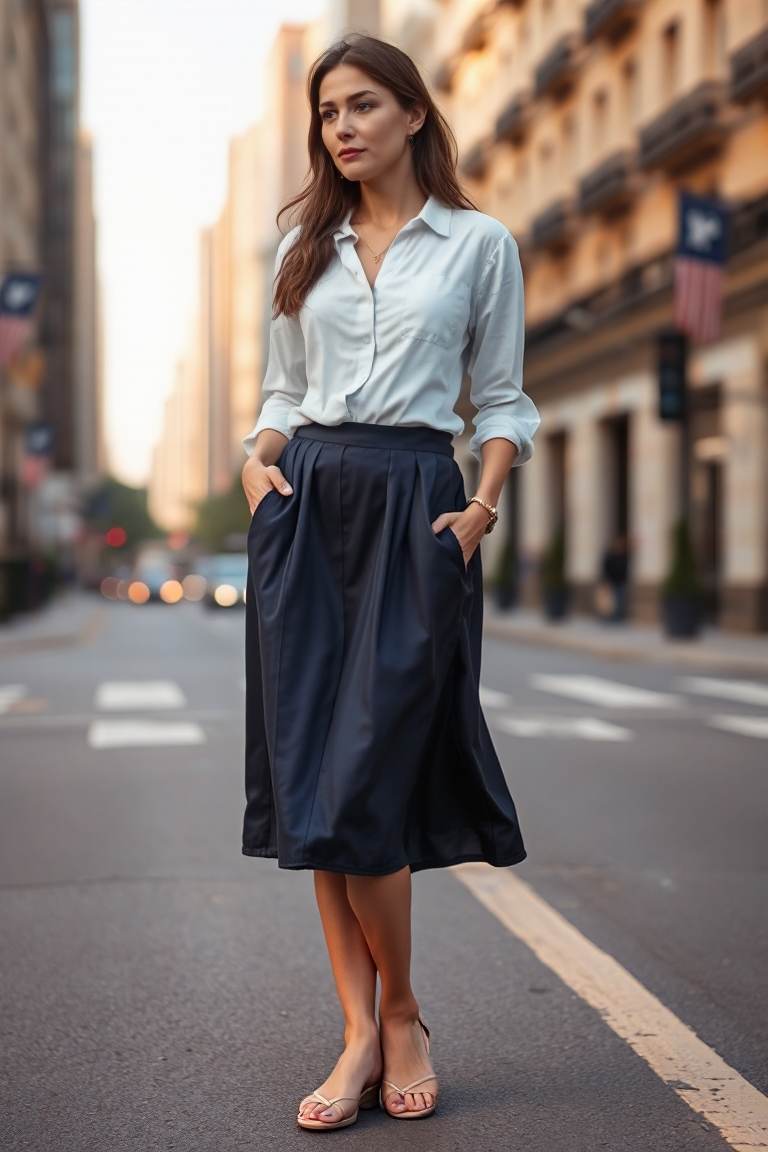
Accessories can transform a ballet skirt from simple to striking, but it’s important to keep them intentional and not overdone. Since the skirt already carries a lot of visual weight, I tend to keep my jewellery minimal—think delicate gold hoops, a thin bracelet, or a dainty necklace. A wide leather belt at the waist can help define your shape and add a subtle touch of edge. I’ve worn a black ballet skirt with a thick gold belt, and it instantly gave the look a more polished, modern feel. A statement clutch or a small crossbody bag in a complementary colour adds function and flair. For hair, I often opt for a soft updo or a low bun to keep the neckline clear and let the skirt’s movement shine. I’ve even styled mine with a silk scarf tied loosely around the neck—it adds a whisper of vintage charm without overwhelming the outfit.
Styling for Different Seasons
One of the best things about a ballet skirt is how adaptable it is across seasons. In spring, I love pairing mine with a light cotton blouse and espadrilles—perfect for a picnic or a stroll through the park. As temperatures rise, I switch to a simple linen top and strappy sandals, letting the skirt flow in the breeze. In summer, I’ll go for a breezy midi version with a cropped tank and sunglasses—it’s effortlessly cool. For autumn, I layer a fitted sweater or a trench over a long-sleeve top, and for winter, I’ll wear a heavy wool coat and add tights or boots for warmth. I’ve even worn a full-length tulle skirt with a velvet bodysuit and ankle boots in winter—it looked rich and dramatic, yet still soft and feminine. The key is to adjust the fabric and layers based on the climate while keeping the skirt’s romantic essence intact.
Embracing Your Body Shape
One of the most empowering things about ballet skirts is how they flatter different body shapes. Their fullness can help balance out wider hips or create the illusion of a slimmer waist, depending on how you style them. For petite frames, a high-waisted version with a shorter length helps create the illusion of height and proportion. I’m 5’4” and I’ve found that a midi-length skirt hits just above the ankle, making my legs look longer. For those with a curvier figure, a structured top and a fitted belt can highlight your waist and make the flow of the skirt feel intentional rather than overwhelming. I’ve also seen great results with a long, flowing skirt paired with a crop top—it adds volume while keeping the midsection defined. The beauty of the ballet skirt is that it’s forgiving and feminine, no matter your shape.
Building a Capsule Ballet Skirt Wardrobe
If you’re looking to build a versatile ballet skirt collection, start with a few key pieces in neutral or seasonally appropriate colours. I have a beige cotton version, a navy silk blend, and a blush pink tulle skirt—each serves a different purpose. The beige is perfect for everyday wear, the navy for smarter occasions, and the pink for parties. I also invest in quality pieces that hold their shape and don’t pill or stretch out. When shopping, look for skirts with elastic waistbands or drawstrings for comfort and adjustability. I’ve found that a skirt with a built-in slip layer adds structure and prevents the fabric from clinging. By choosing a few well-made, timeless styles, you can mix and match them with different tops, shoes, and accessories to create dozens of new outfits without buying a new skirt each time.
Wearing a Ballet Skirt to Work or Events
Yes, you can wear a ballet skirt to work—or at least to a smart-casual event. The trick is to balance the softness of the skirt with more structured, professional pieces. I’ve worn a grey cotton ballet skirt with a tailored white shirt and pointed-toe flats to a daytime meeting—it looked polished and refined. For a creative industry, a longer, more dramatic version paired with a silk blouse and simple heels works well for creative events. I’ve also styled mine with a structured blazer and a minimalist handbag for a chic brunch meeting. The key is to keep the overall look streamlined and avoid overly frilly or whimsical details. For evening events, a satin or velvet ballet skirt with a backless top and heels can be stunning and memorable. Just make sure the fabric and fit are appropriate for the occasion.
Styling for a Romantic or Fairytale-Inspired Look
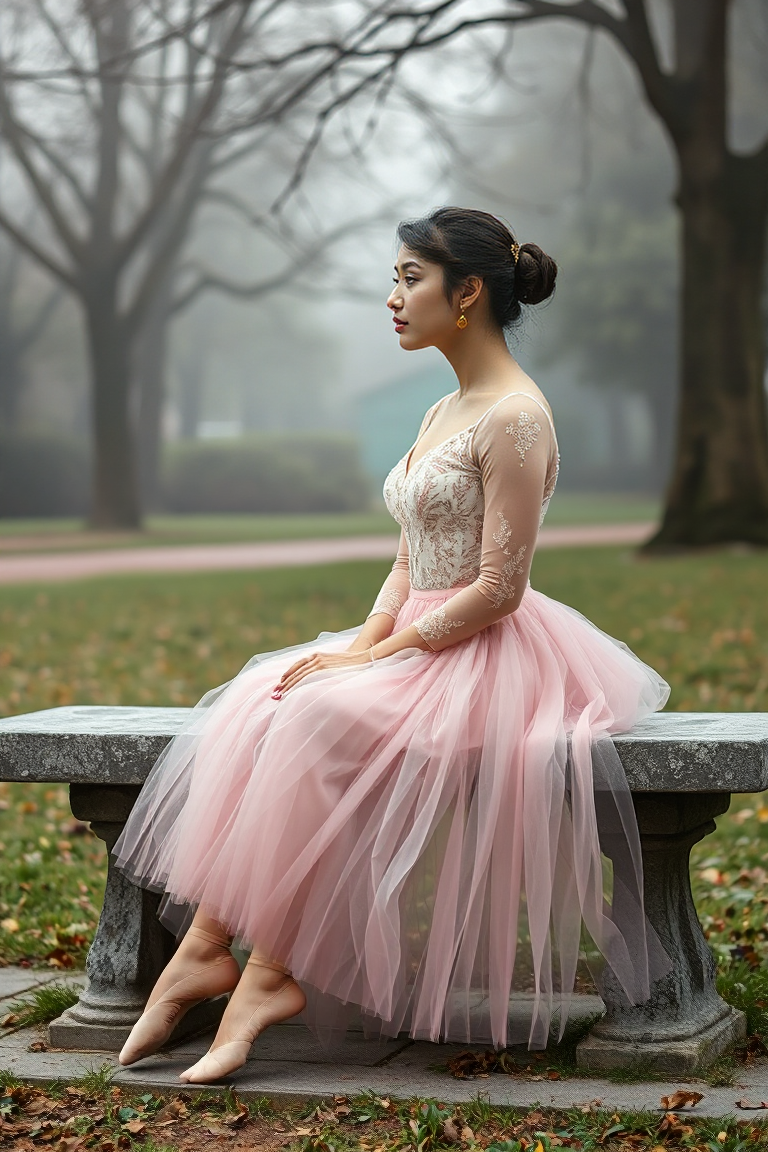
If you’re aiming for a romantic or fairytale-inspired aesthetic, a ballet skirt is your go-to garment. Pair it with a lace-trimmed bodysuit, a sheer long-sleeve top, or a delicate tulle overlay. I’ve worn a white cotton ballet skirt with a babydoll-style camisole and a vintage pearl necklace—it looked dreamy and elegant. For a more dramatic effect, add a lace headband or a soft scarf in a complementary hue. A full-length version in a light pastel or blush shade works especially well for weddings, garden parties, or photoshoots. I’ve also styled mine with a wide-brimmed hat and sandals for a bohemian romantic look. The key is to keep the rest of the outfit soft and feminine—avoid anything too bold or sharp. This look is about creating a sense of lightness and grace, and the ballet skirt makes it effortless.
Frequently Asked Questions
Can I wear a ballet skirt if I’m not a dancer?
Yes, absolutely. Ballet skirts are fashion pieces, not dance costumes. They’ve been reimagined by designers for everyday wear and are perfect for creating feminine, romantic, or modern outfits. They’re versatile and can be styled for casual, work, or evening wear.
How do I avoid looking like a ballerina?
To avoid a too-romantic or literal look, pair the skirt with more structured or modern pieces like a leather jacket, tailored blazer, or sleek heels. Keep accessories minimal and focus on clean lines and proportions.
Are ballet skirts suitable for petite frames?
Yes, they can be flattering. Opt for a high-waisted, knee-length version to create the illusion of height. Tucking in your top and pairing with heels will help elongate your silhouette.