
I’ve spent years perfecting my outerwear game, and let me tell you—choosing the right coat isn’t just about staying warm. It’s about feeling confident, looking polished, and flattering your natural shape. I’ve made my fair share of sartorial missteps: that one time I wore a boxy trench over a pear-shaped silhouette and ended up looking like a misshapen umbrella, or the time I layered a structured blazer coat over a curvy frame and felt like I was trying to fit into a costume. But over time, I’ve learned how to navigate the coat aisle with intention, ensuring every outerwear choice enhances my silhouette instead of undermining it. Whether you’re a petite frame, hourglass, or apple shape, the right coat can transform your look—so let’s dive into how to find yours.

Understand Your Body Shape First
Before you even step into a coat store, it’s essential to understand your body shape. I’ve found that many women skip this step and end up with outerwear that doesn’t flatter their figure. The most common body shapes are apple, pear, hourglass, rectangle, and inverted triangle, and each requires a different approach when selecting a coat. To determine yours, stand in front of a mirror in your undergarments and assess your proportions. Look for where your waist is most defined, where your hips are widest, and how your shoulders compare to your bust and waist. I used to think I was a rectangle, but once I measured my waist and noticed a slight curve, I realised I’m actually an hourglass—this small shift made a huge difference in how I chose my coats. Knowing your shape is the foundation for everything that follows, so take the time to get it right.
The Apple Shape: Flattering Silhouettes
If you have an apple shape—meaning your waist is less defined and your weight tends to accumulate around the midsection—your goal is to create the illusion of a defined waist while avoiding anything too tight or boxy. I’ve learned that structured coats with a slight A-line or peplum hem are absolute game-changers. These styles nudge the eye downward, drawing attention away from the middle and towards the hemline. I love a long, wide coat with a wide belt that cinches just below the bust—it creates a flattering hourglass illusion. Avoid anything with too much volume at the waist, as it can make the midsection appear even fuller. Also, steer clear of padded or oversized collars; they can make the upper body look bulkier. Instead, opt for a coat with a subtle V-neckline or a high collar that elongates the neck, helping to balance your proportions.
The Pear Shape: Balance Your Proportions
For those with a pear-shaped body—where hips are wider than the bust—I’ve found that the key is to add volume to the top half while maintaining a clean line at the bottom. I personally love a classic belted trench coat in a neutral shade; it cinches at the waist and creates a balanced silhouette. A tailored coat with structured shoulders can help add width to the upper body, creating harmony with the hips. I once wore a long, oversized coat with no definition at the waist and looked like a tent—so I’ve learned to avoid anything that skims the body without shape. Instead, look for coats with a fitted waist or a defined waistline that flares out slightly, like an A-line or trench coat. The right coat will draw the eye upward and elongate your frame, helping to create a more proportional look.
The Hourglass Shape: Emphasise Your Curves
If you have an hourglass shape—meaning your bust and hips are nearly the same width with a well-defined waist—you’re in luck! This body shape is naturally balanced, so the goal is to highlight your curves without overpowering them. I love a fitted coat with a waist-tie or a waist-cinching belt—it accentuates the natural dip of your waist and creates a stunning silhouette. I’ve found that tailored coats in a structured fabric, like wool or heavy cotton, are particularly flattering because they hug your shape without clinging. Avoid anything too loose or boxy, as it can flatten your waist and make you look shapeless. I also love coats with a slightly flared hem or a peplum detail, as they add a touch of femininity and draw attention to your waist. The key is to choose a coat that enhances your natural shape, not hides it.
The Rectangle Shape: Create the Illusion of Curves
For those with a rectangular body shape—where the bust, waist, and hips are roughly the same width—the aim is to create the illusion of a defined waist and add some shape to your silhouette. I’ve found that a well-placed belt is your best friend here. Look for a coat with a defined waistline or a built-in belt that cinches just above the natural waist. A draped or wrap-style coat is also a great option—it naturally creates a V-shape and adds dimension. I used to avoid coats with any kind of texture or pattern, but I’ve since learned that subtle details like a light vertical stripe or a tonal pattern can help elongate the body and add interest. Avoid boxy, straight-cut coats that make you look like a walking rectangle. Instead, opt for styles with a slight curve, like a blazer coat with a notched collar or a structured coat with a defined waist.
The Inverted Triangle: Balance Your Shoulders
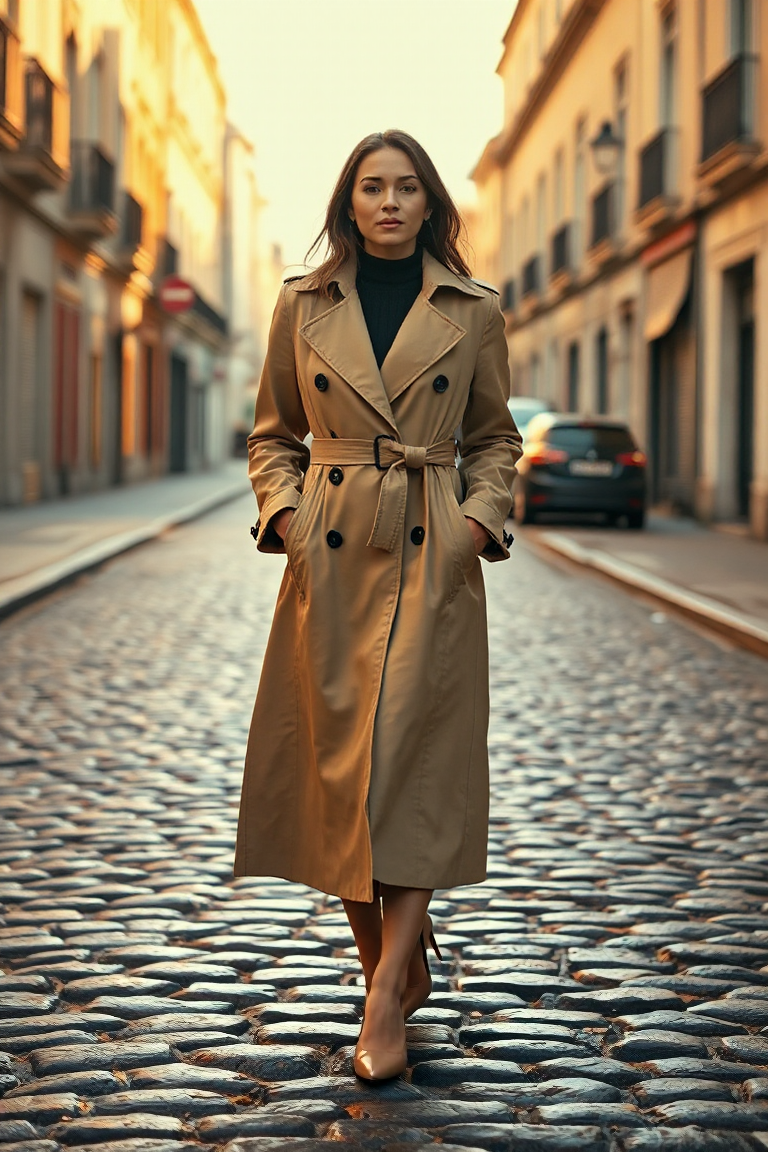
If you have an inverted triangle shape—where your shoulders are broader than your hips—you’ll want to balance your proportions by adding volume to the lower half and avoiding anything too wide on top. I’ve found that coats with a slightly flared or A-line hem are perfect—they help draw attention down and create a more balanced look. I love a long, slouchy coat with a wide collar, as it adds width to the top while the longer hemline helps elongate the lower body. Avoid anything with shoulder pads or structured shoulders, as these can exaggerate the width of your upper body. Instead, look for coats with a more relaxed fit on top and a softer, flowing hem. A coat with a deep V-neck or a wide lapel can also help elongate the face and draw the eye downward.
Consider Coat Length and Proportions
Coat length plays a huge role in how a coat flatters your body shape. I’ve noticed that shorter coats—like knee-length or below-the-knee—work best for petite frames, as they help elongate the legs and prevent the coat from overwhelming the body. For taller women, a longer coat—like a floor-length or calf-length—can create a more dramatic and elegant look. I once wore a long coat that ended just above the knee and looked like I was wearing a dress—I learned that length matters! For those with a broader frame, a longer coat that skims the body can help create a more streamlined look. But if you’re petite, a longer coat may make you look shorter, so opt for a length that hits just above the knee or mid-calf. The rule of thumb is to choose a length that complements your height and draws attention to your best features.
Choose the Right Fabric for Your Shape
The fabric of a coat can make or break its fit, especially when it comes to body shape. I’ve learned that structured fabrics like wool or tweed are ideal for creating definition and holding shape, making them perfect for hourglass and rectangular body types. For those with a larger frame, softer fabrics like cashmere or brushed wool can be more forgiving and less restrictive. I used to avoid anything with a sheen or metallic finish, but I’ve discovered that a subtle satin or silk lining can add elegance and draw the eye upward. Avoid fabrics that are too stiff or too clingy—either can distort your shape. Instead, choose a fabric that feels comfortable, moves with you, and drapes well. The right fabric will enhance your natural silhouette rather than fight it.
Think About Collar and Lapel Style
The collar and lapel of a coat can have a big impact on your overall look. I’ve found that a wide, structured collar can add definition to a small frame, while a soft, wide lapel can add volume to a broad shoulder. For those with a smaller bust, I love a high, wide collar—it creates the illusion of height and draws attention upward. I used to avoid anything with a large collar, thinking it would overwhelm me, but I’ve since learned that the right collar can actually flatter your face and create balance. For those with a larger frame, a narrow lapel or a simple notch can help avoid bulkiness. I also love a coat with a stand-up collar or a shawl collar—it adds a touch of sophistication and frames the face beautifully. The key is to choose a collar and lapel that complement your face shape and body proportions.
Opt for Strategic Details and Silhouettes
Small details can make a big difference when choosing a coat. I’ve discovered that a subtle peplum hem, a dropped waist, or a fitted cuff can enhance a specific body shape. For example, if you’re pear-shaped, a coat with a flared hem or a peplum detail can add shape to the bottom and draw attention away from the hips. For those with a longer torso, a coat with a higher waistline can create a more balanced look. I also love a coat with a deep V-neck or a diagonal zipper—it adds visual interest and elongates the body. Avoid anything too busy or loud, as it can distract from your natural shape. Instead, look for details that enhance your silhouette and complement your figure. The right details can make a coat feel custom-fitted, even if it’s not.
Try It On and Pay Attention to Fit
There’s no substitute for trying on a coat and seeing how it fits in real life. I’ve learned that the way a coat hangs on your body is just as important as the style or colour. When trying on a coat, make sure it fits through the shoulders and arms without pulling or bunching. The sleeves should end just above the wrist, and the length should sit where it feels most flattering on your body. I’ve also found that a coat that’s slightly oversized can be flattering for a rectangle shape, as long as it’s not too baggy. Don’t be afraid to move around—walk, turn, and raise your arms to see how the coat moves with you. If it feels restrictive or shifts in a way that’s unflattering, it’s probably not the right one. Trust your instincts and choose a coat that feels like it was made for you.
Frequently Asked Questions
What coat style is best for a petite frame?
For petite frames, a coat that hits just below the knee or at the mid-calf is ideal, as it elongates the legs without overwhelming the body. I recommend a tailored fit with a defined waist and a structured collar to create height and balance.
How can I make a coat look flattering on a larger frame?
Look for coats with a structured silhouette that holds its shape, like wool or tweed, and avoid anything too loose or oversized. A coat with a defined waist and a slight A-line hem can create a more balanced look.
Can I wear a long coat if I’m short?
Yes, but the length should hit just above the knee or mid-calf to avoid making you look shorter. Choose a longer coat with a fitted silhouette and a defined waist to create the illusion of height.